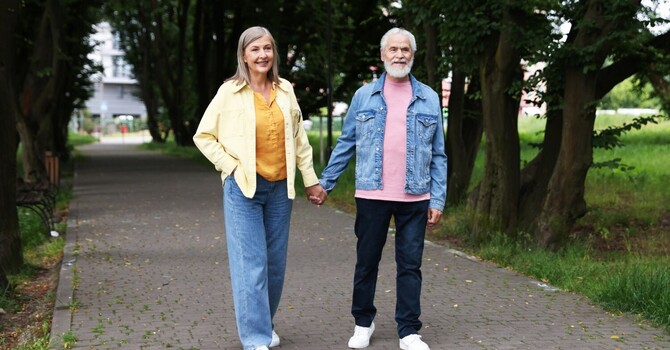
Cancer-related fatigue is best managed through a combination of physical therapy and carefully paced, gentle exercise, not complete rest. While resting feels like the natural response to exhaustion, research consistently shows that structured, low-intensity movement is one of the most effective tools for reducing fatigue during and after cancer treatment. A physical therapist can build a plan that matches your energy levels day to day, so movement helps rather than depletes you.
If you're dealing with this kind of exhaustion, you're not alone, and it's not "just tiredness." Here's what's actually happening, and how a thoughtful, PT-guided approach to movement can help.
What Is Cancer-Related Fatigue?
Cancer-related fatigue is a persistent, whole-body exhaustion that doesn't improve much with sleep or rest. It's one of the most common side effects of cancer and its treatments, affecting the majority of people undergoing chemotherapy, radiation, or surgery. Unlike ordinary tiredness, cancer-related fatigue can affect concentration, mood, and the ability to complete everyday tasks like showering or preparing a meal.
This distinction matters because it changes the treatment approach. Ordinary fatigue responds well to rest. Cancer-related fatigue often responds better to activity, specifically, movement that's dosed appropriately for where a person is in treatment or recovery.
Why Physical Therapy Helps With Cancer-Related Fatigue
A physical therapist trained in oncology rehabilitation looks at fatigue as a symptom to be actively managed, not just endured. During an evaluation, a PT considers treatment history, current strength, cardiovascular tolerance, and any related conditions. Lymphedema, neuropathy, or joint stiffness from chemotherapy are common factors.
This matters because generic advice to "exercise more" can backfire if it's too intense or poorly timed around treatment cycles. Physical therapy for cancer-related fatigue is built around pacing: short bouts of activity, built up gradually, with rest built in deliberately rather than by default. Several clinical studies on exercise and cancer-related fatigue have found that supervised, individualized programs reduce fatigue more effectively than unsupervised general activity.
Gentle Exercise Strategies for Cancer-Related Fatigue
The word "exercise" can sound intimidating during cancer treatment, but the exercise that helps most with cancer-related fatigue is rarely strenuous. It's consistent, low-impact, and adjusted week to week.
Walking and Low-Impact Movement
Short, frequent walks, even five to ten minutes at a time, are often the starting point. Walking improves circulation and cardiovascular tolerance without demanding much recovery time, which makes it sustainable even on lower-energy days.
Gentle Strength Training
Light resistance work, using bands or body weight, helps counter the muscle loss that often accompanies cancer treatment. Maintaining strength directly supports energy levels, since weaker muscles require more effort, and more energy, to complete the same daily tasks.
Breathing and Relaxation-Based Movement
Slow, breath-focused movement, such as gentle stretching or restorative yoga-style positioning, can ease the mental and physical tension that compounds fatigue. This is especially useful for people also managing treatment-related anxiety or sleep disruption.
What to Expect From In-Home Physical Therapy
Many people managing cancer-related fatigue find that traveling to appointments adds its own layer of exhaustion. In-home physical therapy removes that barrier: a physical therapist comes to you, works around treatment schedules, and adjusts each session based on how you're feeling that day.
At Mobile Physical Therapy and Wellness, Dr. Elizabeth Baillie brings this kind of specialized, oncology-informed care directly to patients throughout the Los Angeles area. Because the team also works closely with people managing lymphedema and post-treatment recovery, sessions can address overlapping issues, like swelling or limited range of motion, that often show up alongside fatigue. This integrated approach means one plan addresses multiple symptoms instead of treating fatigue in isolation.
When to Talk to Your Physical Therapist About Fatigue
Fatigue that worsens suddenly, comes with shortness of breath, or doesn't respond at all to gentle activity is worth flagging to your medical team before starting or adjusting an exercise routine. Once cleared, a physical therapist can help identify whether fatigue is tied to deconditioning, anemia-related limitations, or something else that needs a different approach.
For most people, though, cancer-related fatigue improves gradually with a consistent, well-paced combination of physical therapy and gentle exercise. Mobile Physical Therapy and Wellness works with patients across Los Angeles to build that plan around each person's treatment timeline and daily reality, not a generic template.
Frequently Asked Questions
Does exercise make cancer-related fatigue worse?
Generally, no. Appropriately dosed, gentle exercise reduces cancer-related fatigue over time. Overexertion can cause a short-term dip in energy, which is why a physical therapist paces activity carefully.
How soon can I start physical therapy for cancer-related fatigue?
Many people can begin gentle PT-guided movement during active treatment, once cleared by their oncology team. Programs are adjusted around chemotherapy or radiation schedules.
What's the difference between cancer-related fatigue and normal tiredness?
Cancer-related fatigue is more severe, doesn't improve much with sleep, and can persist for months. Normal tiredness typically resolves with rest.
Can physical therapy help with fatigue after cancer treatment ends?
Yes. Fatigue often lingers for months or longer after treatment finishes, and physical therapy remains effective for rebuilding strength and energy during that recovery period.
Is in-home physical therapy a good option during cancer treatment?
For many patients, yes. It removes travel-related exhaustion and allows sessions to flex around low-energy days, which is especially helpful during active treatment.
Ready to Start Managing Your Fatigue?
You don't have to figure this out alone, and you don't have to add a commute to an already exhausting week. Mobile Physical Therapy and Wellness brings oncology-informed physical therapy directly to your home, with a plan built around your treatment schedule, your energy levels, and your goals.
If cancer-related fatigue is making everyday tasks harder, Dr. Elizabeth Baillie can help you build a safe, gentle path back to more energy, at your own pace. Reach out today to schedule an in-home evaluation and take the first step toward feeling more like yourself again.


.jpg)